How to Overcome a Stutter in Public Speaking: A Professional's Guide
A stutter isn't a wall; it's a hurdle. Learn the techniques that transformed stutterers like Joe Biden into powerful, influential speakers.
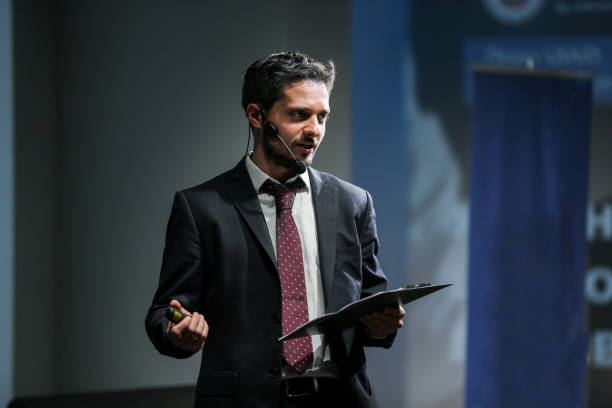
A stutter feels like a cage.
You have the ideas. You have the passion. But when you open your mouth, the words get stuck. It's frustrating, it's exhausting, and for many, it's a reason to stay off the stage entirely.
But a stutter isn't a wall; it's a hurdle. And like any hurdle, you can learn the technique to clear it. Some of the most influential speakers in history didn't succeed despite their stutter—they succeeded because they learned to master their voice in spite of it.
The Biden Blueprint
Take Joe Biden.
Before he was a President, he was a kid who was mocked for his stutter. He didn't have a "cure." Instead, he spent hours in front of a mirror reciting poetry by Yeats and Emerson.
He learned to "map" his speeches. He would mark his scripts with slashes to indicate where to breathe and where to pause. He developed a rhythm that turned a potential weakness into a signature, deliberate speaking style. He didn't wait for the stutter to vanish; he built a system to work around it.
The Power of the Pause
If you stutter, your instinct is to rush. You want to get the words out as fast as possible before they get stuck.
This is the trap. Rushing creates tension, and tension fuels the stutter.
The most effective tool you have is the intentional pause.
Don't fear the silence. Use it.
If you feel a block coming, stop. Take a breath.
The audience doesn't think you're stuck; they think you're being profound.
A pause gives your brain time to reset and your muscles time to relax. When you own the silence, you own the room.
The "Word Swap" Technique
Expert speakers with a stutter rarely stick to a rigid script. They stay flexible.
If you know certain sounds or words are "tripwires" for you, have a mental list of synonyms ready. If "Professional" is a hard word for you to say today, use "Expert." If "Struggle" gets stuck, use "Challenge."
This isn't cheating; it's strategy. By focusing on the idea rather than the specific word, you keep the flow of the conversation moving. The audience cares about your message, not your vocabulary choice.
Rhythm and Breath
Your voice is powered by air. Most stutters happen because we try to speak on "empty lungs."
- Speak on the exhale. Never start a sentence until you've taken a full, relaxed breath.
- Find your cadence. Speaking is musical. If you can find a steady, rhythmic pace, your brain is less likely to hit a roadblock.
Think of it like driving over a pothole. If you hit it at a chaotic speed, you lose control. If you move with steady, deliberate momentum, you roll right over it.
Ready to find your voice? Overcoming a stutter isn't about perfection. It's about communication. The world needs your insights—they don't need you to be a polished robot; they need you to be a leader.
Stop waiting and start your transformation today. Join UltraSpeaking and become the speaker you were meant to be →